

There are some misconceptions about weight loss surgery (WLS) that are important to explain and elaborate on so that potential patients have the correct information when evaluating whether these procedures are right for them.

Bariatric surgery is a very effective tool to help recovering from morbid obesity, but it is essential that the patient understands the role of surgery in their life transformation and fully commits to working in conjunction with their procedure to achieve a healthy weight.

Today we will learn the basics of nutrition so we can build the base and learn to design menus with the correct characteristics and make better decisions when choosing what to eat. We have to start by differentiating the food groups from the nutrients, since these are often confused.
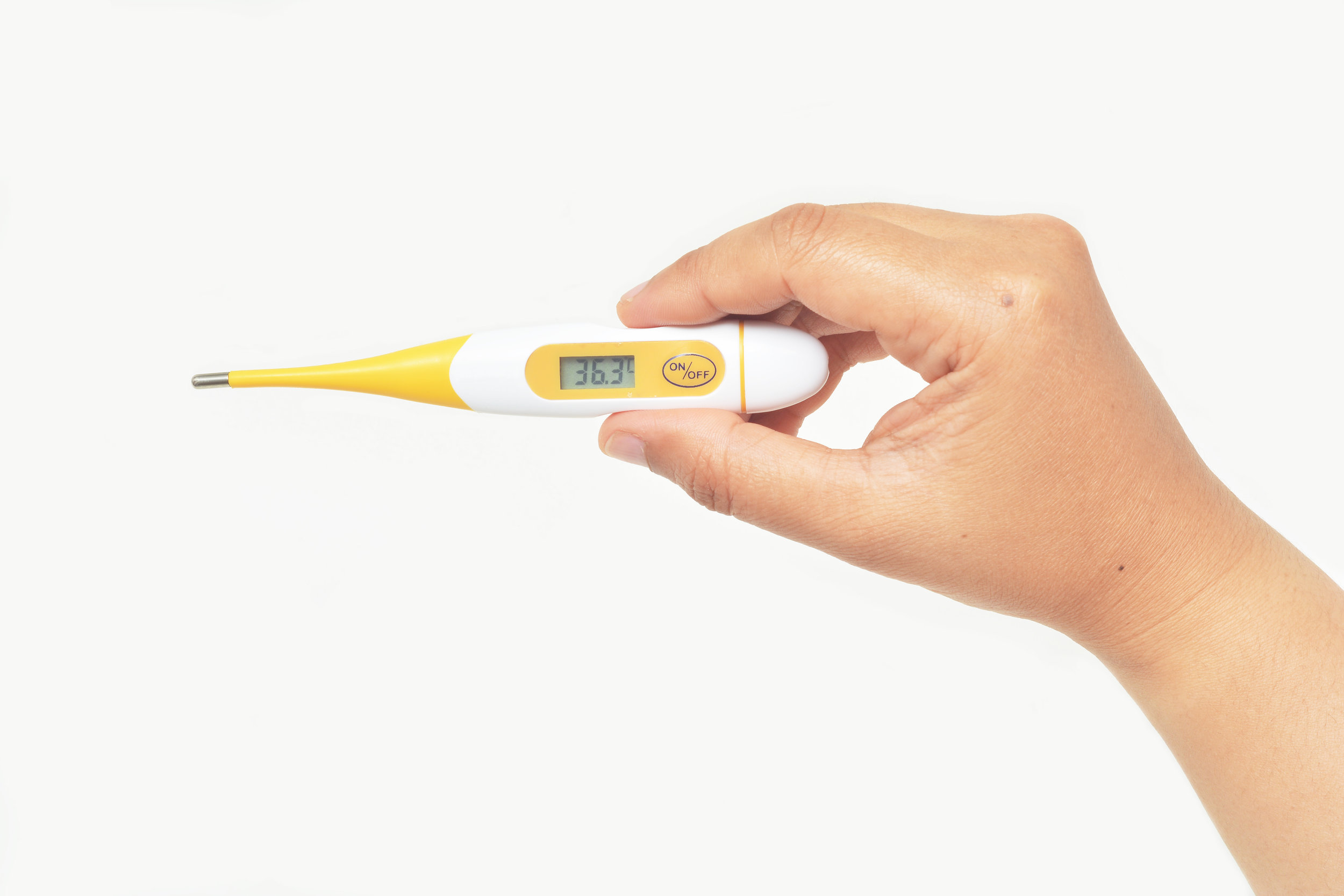

Although obesity is not considered the only risk factor, the World Health Organization (WHO) warns that this condition considerably increases the risk of death among patients who contract the new coronavirus.

Si bien sabemos que es casi imposible eliminar las tentaciones y seguir al pie de la letra las pautas nutricionales proporcionadas por su médico, existen diferentes recomendaciones que puede seguir para disfrutar de una Navidad sin culpa, en dónde su meta sea disfrutar de una ingesta de alimentos moderada y consciente.


Se tiene evidencia que este tipo de procedimientos previenen la aparición de diabetes en los pacientes con sobrepeso y, en los casos de diabetes ya establecida, llevan a su control hasta en un 90% de los casos.

Bariatric procedures are technically complex, so special training and a range of skills and abilities of the surgeon dedicated to this field are crucial. Fortunately, there is evidence that the benefits of obesity surgery for patients far outweigh the risks involved.